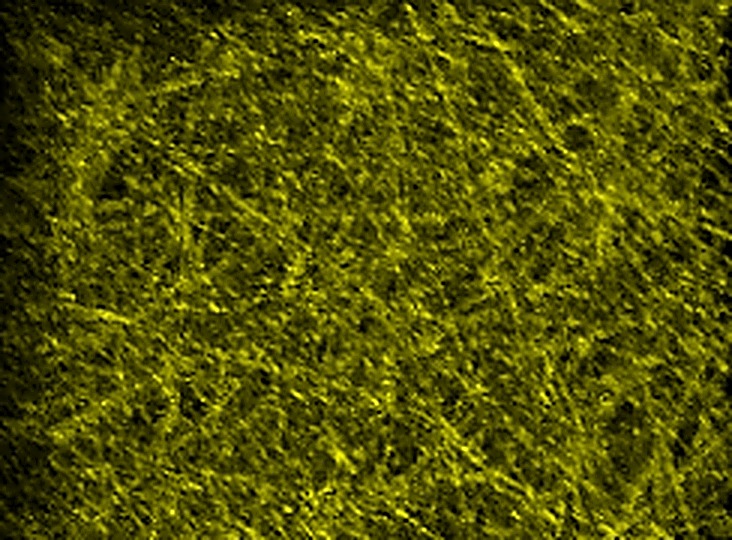


Phase Transitions in Protein and Peptide Systems
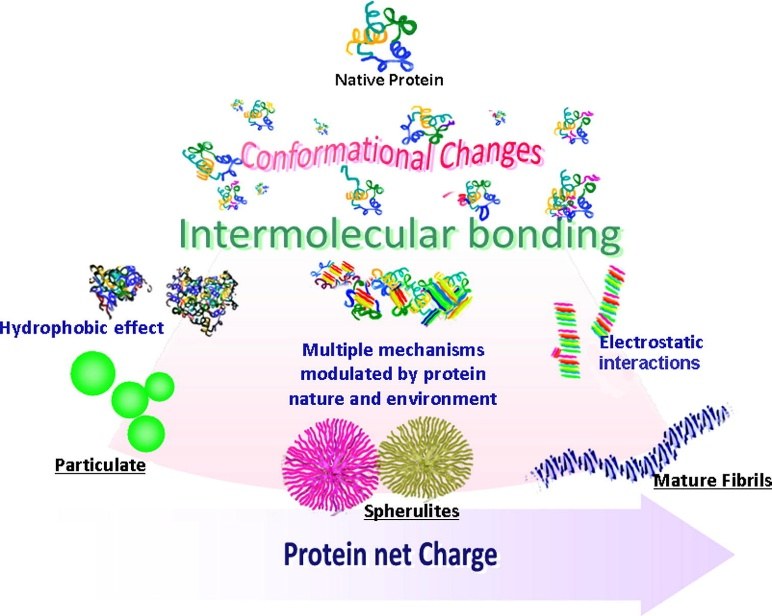 Vetri V. et al., FEBS Lett, 589, 2448 (2015)
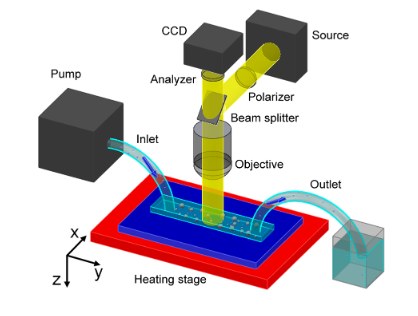 Foderà V. et al., J Phys Chem Lett, 3, 2803 (2012)
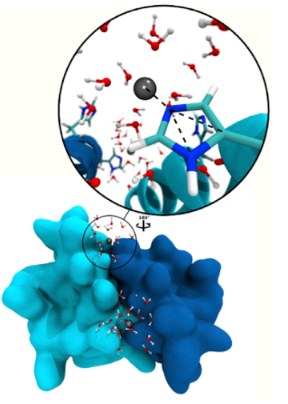 Pounot K. et al., Biophys J, 120, 886 (2021)
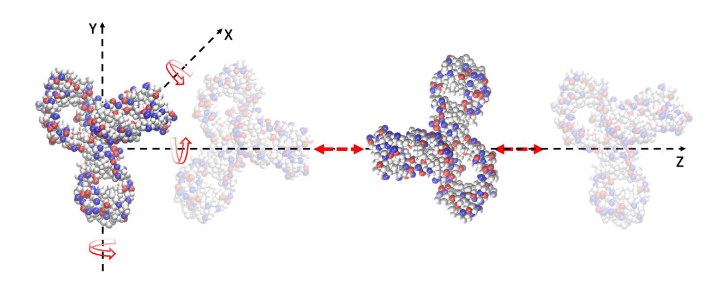 Brakti I. et al., Commun Chem, 9, 256 (2026)
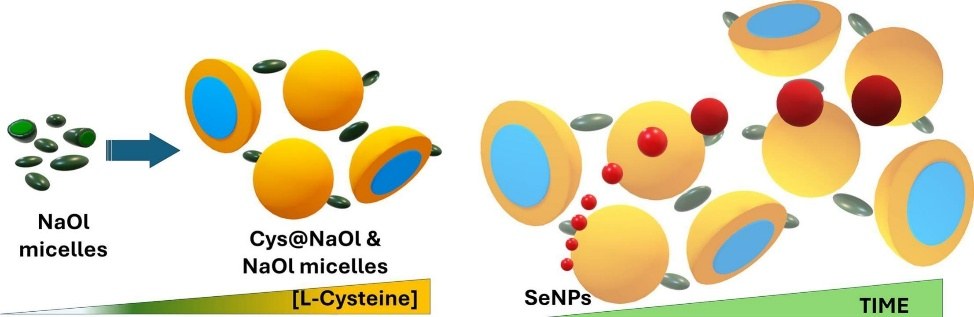 Vitale F. et al., J Colloid Interface Sci, 72, 138966 (2026)
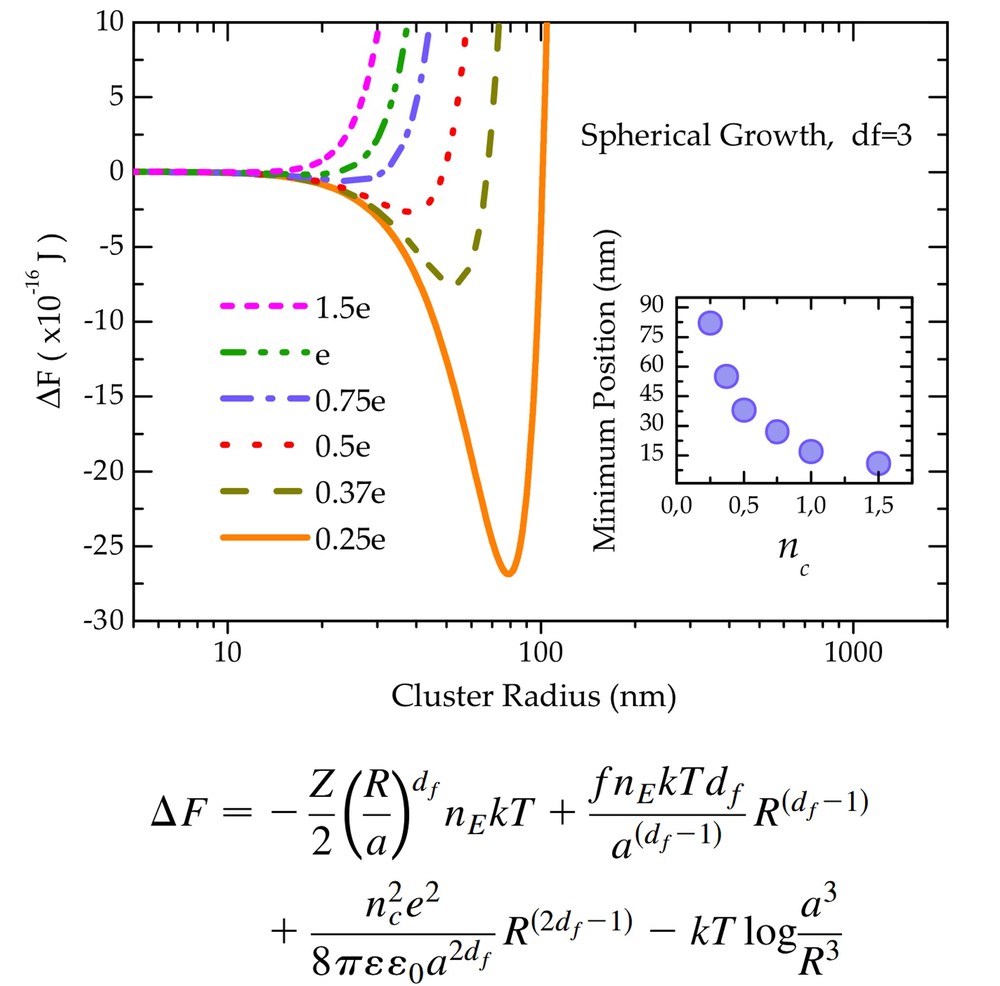 Foderà V. et al., Phys Rev Lett, 111, 108105 (2013)
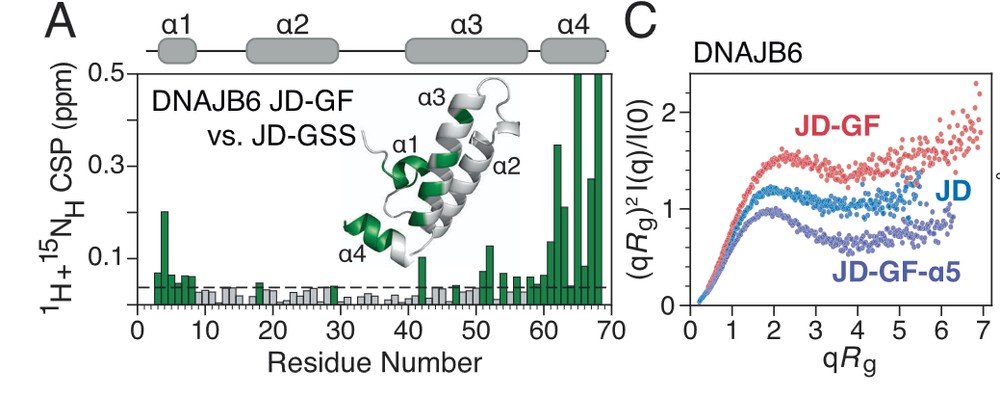 Hobbs B. et al., Nat Commun, 16, 5070 (2025)
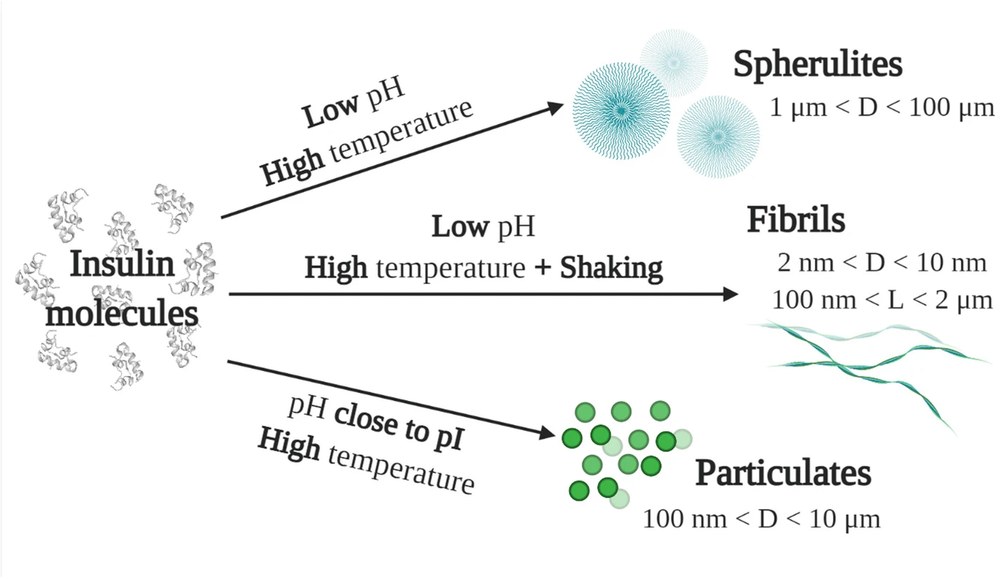
Peptides and proteins can undergo a wide range of phase transitions, and understanding these processes is central to fields as different as cell biology, neurodegenerative disease and pharmaceutical sciences. Phase transitions of peptides and proteins, from dilute and disperse phases to liquid-liquid phase separation, gelation, crystallization, and aggregation, are governed by a complex interconnection of steps appearing at different time and length scales. We study the kinetics of these transitions for model proteins, biopharmaceuticals and medically relevant proteins with the aim of disentangling the different concurrent events during the reaction. We use a combination of UV-Vis spectroscopy, super-resolution microscopy, lifetime imaging, theoretical models, computer simulations, small angle scattering approaches and microfluidics setups to quantitatively detect the early unfolding events and inter-protein interactions, and connect them to the resulting supramolecular structures, i.e. droplets, gels, crystals, or amyloid aggregates. Our aim is to establish a link between the details of kinetics and the diversity in morphology of the aggregates.
Sustainable Protein Materials for Nanomedicine
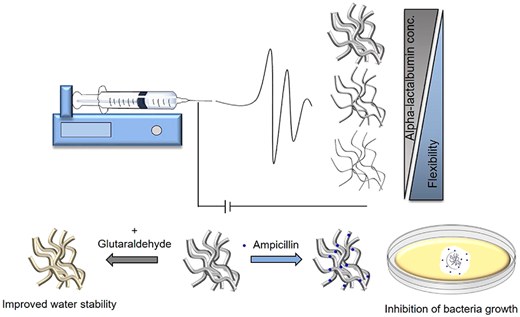 Bay Stie M. et al., ACS Appl Nano Mater, 3, 1910 (2020)
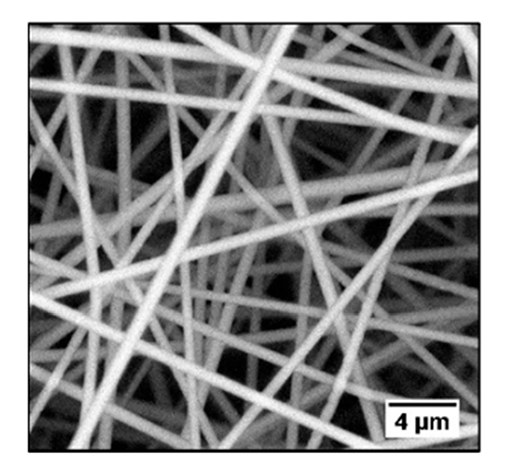 Bay Stie M. et al., ACS Appl Nano Mater, 3, 1910 (2020)
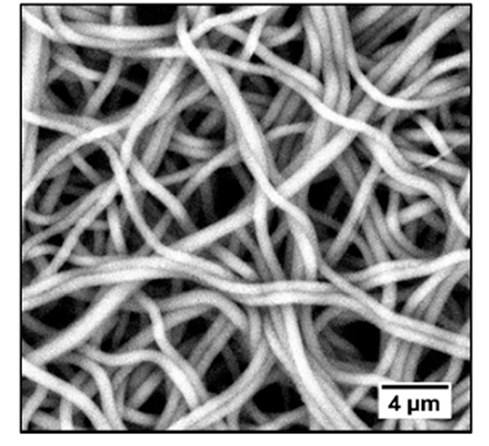 Bay Stie M. et al., ACS Appl Nano Mater, 3, 1910 (2020)
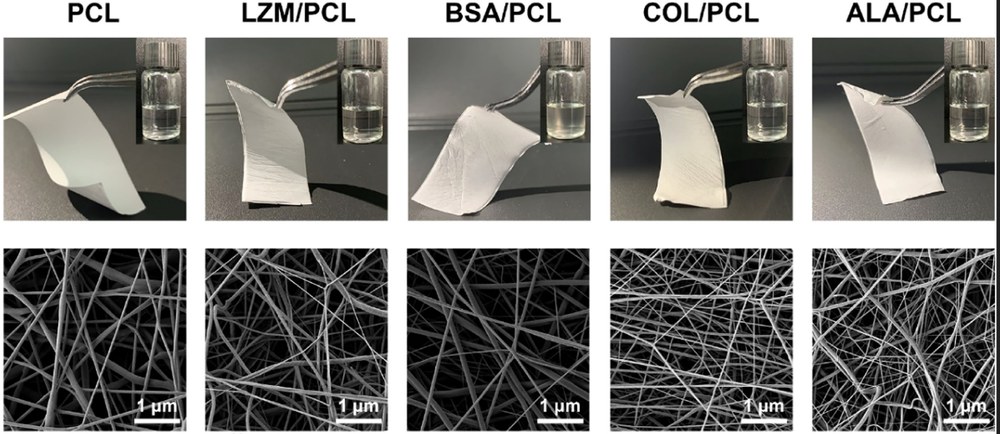 Si L. et al., Asian J Pharm Sci, 6, 100856 (2023)
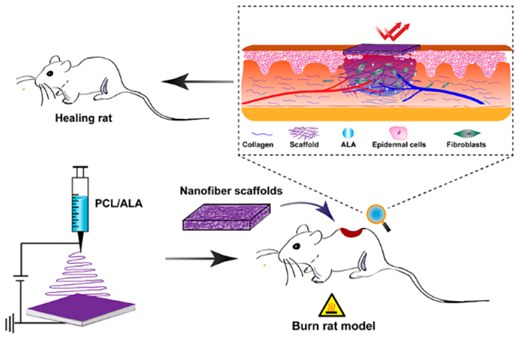 Guo X. et al., ACS Appl Mater Interfaces, 12, 45702 (2020)
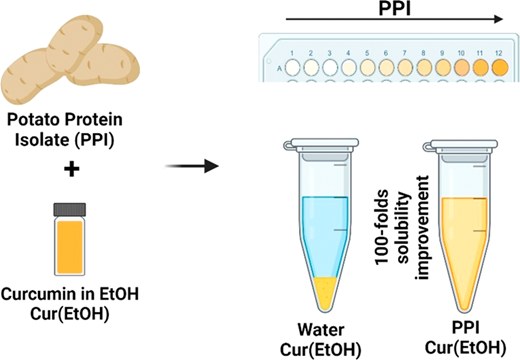 Kalouta K. et al., ACS Omega, 11, 23035 (2026)
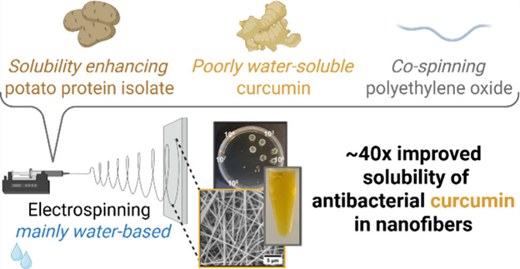 Kalouta K. et al., ACS Appl Polym Mater, 8, 6601 (2026)
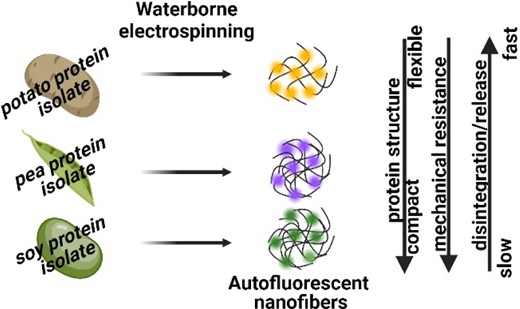 Kalouta K. et al., ACS Sustain Chem Eng, 12 (27), 10118 (2024)
We develop protein materials as sustainable non- and minimally invasive strategies for biomedical applications, from the delivery of small molecules to therapeutics. Our workflow spans from the detailed design and characterization of the materials to their final application in in vitro and in vivo models. Electrospinning is our main production method, and we are committed to developing sustainable processing routes for proteins extracted from waste streams or otherwise abundant in nature, turning them into functional biocompatible materials. We have introduced waterborne electrospinning of high-content protein suspensions, for both animal and plant proteins, demonstrating the ability to design stimuli-responsive materials with programmable drug release and wound-healing properties, the latter shown for both isolated proteins and mixtures. We aim to extend our protein library to target a range of different diseases and use the protein structure as intrinsic modulator of the solubility of poorly soluble drugs and the mechanical properties of solid nanofibers. Eventually, we are committed to translating these findings into real products.
Stability of Drug Formulations
 Thorlaksen C. et al., Methods Mol Biol, 2551 (2023)
 Brakti I. et al., J Pharm Sci, 115 (5), 104212 (2026)
 Thorlaksen C. et al., Eur J Pharm Biopharm, 179, 147–155 (2023)
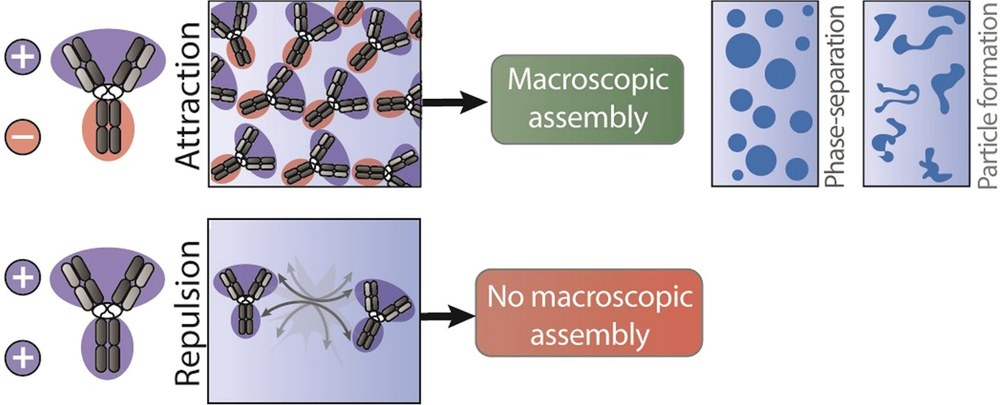
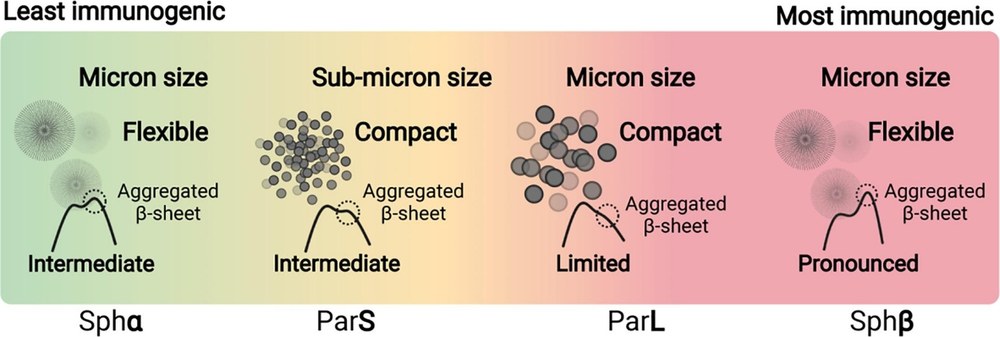
Protein therapeutics are prone to forming particles during manufacturing, storage, and handling, raising the risk of immunogenic events, a serious concern for injectable protein drugs, where an unwanted immune response can reduce efficacy or trigger adverse reactions. Risk assessment remains difficult in part because real formulations contain heterogeneous particle populations that obscure which characteristics drive an immune response. We aim to close a key gap in understanding how protein particles arise and how structure and morphology relate to immunogenicity, developing robust protocols for the analysis of homogeneous protein particle populations and connecting specific structural characteristics to their immunogenicity, both for peptides and antibodies. We also aim to translate large-scale production parameters into controllable variables that can be studied at lab scale, feeding this knowledge into an effective pipeline for optimized protein drug development.
Method Development and Advanced Data Analysis
 Herranz-Trillo F. et al., Methods Enzymol, 709, 245 (2024)
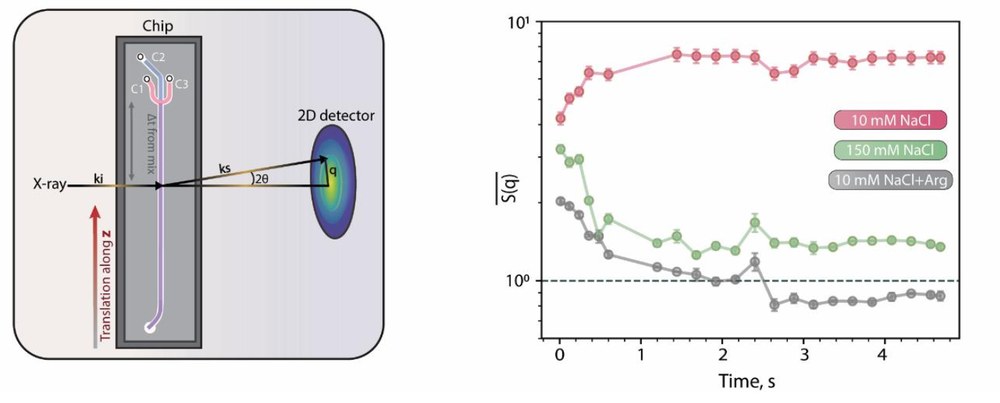 Brakti I. et al., Commun Chem, 9, 256 (2026)
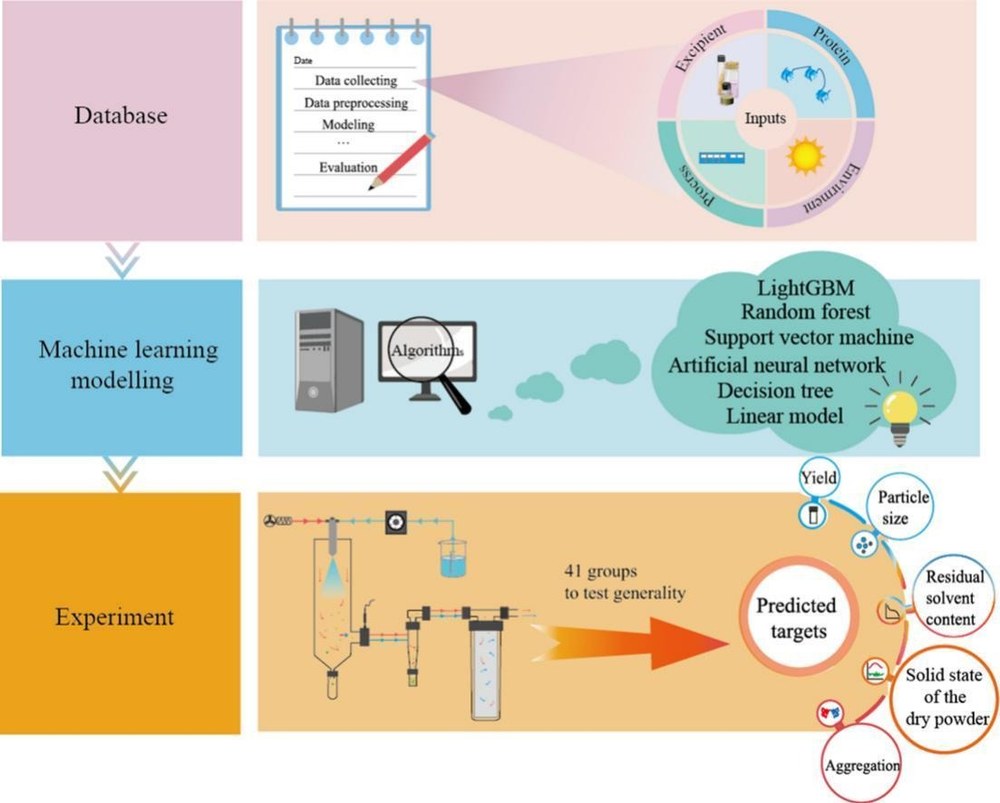 Wei L. et al., Int J Pharm, 701, 127131 (2026)
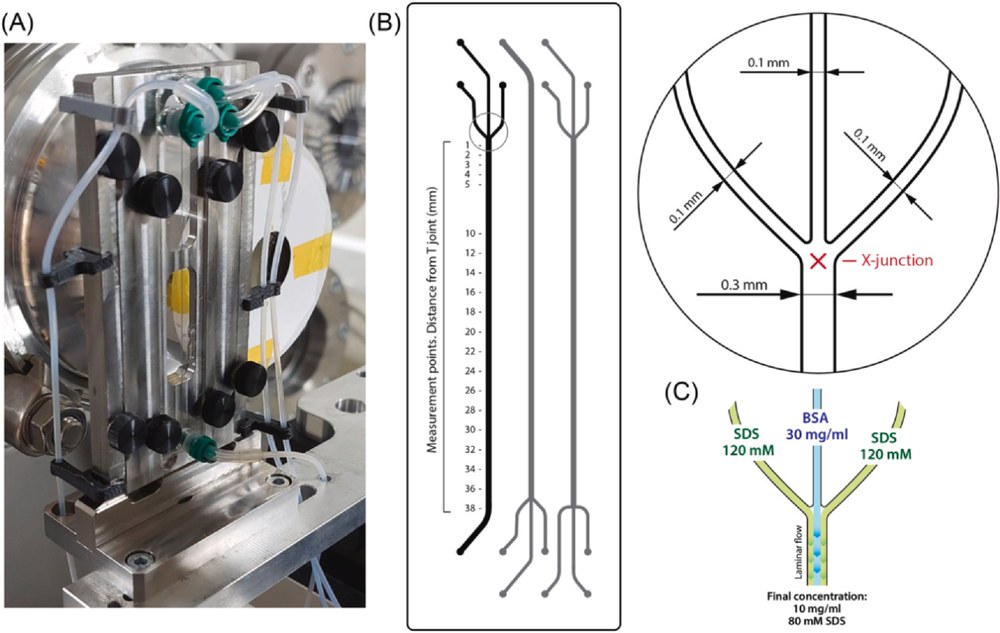
Extracting reliable, quantitative information from complex experimental data is often the limiting step in understanding protein and peptide behavior. We develop new experimental protocols for single-particle and ensemble investigation along with computational approaches to bridge this gap, combining advances in instrumentation with modern data analysis strategies. This includes the use of machine learning as a predictive method and for the interpretation of complex spectroscopic and scattering data, together with molecular simulations that help connect experimental observables to the underlying fundamental and molecular mechanisms. Our aim is to make these methods broadly applicable across different systems and experimental platforms and support both our own research questions and those of the scientific community.